This series highlights the amazing group of organizations and individuals contributing to our first set of branded Unbucket lists. We felt their investment and belief in what we’re accomplishing together warranted special recognition.

At Unbucket, we’re fascinated by recipes because they are so much more than a means to create food. Passed down from grandparent to parent to child, recipes link one generation to the next. On Unbucket, we’ve seen numerous list items inspired by this idea; we even wrote a blog post about one of them. Baked into recipes are physical experiences, often shared with others. How many dates have started in the kitchen, recipes on the counter? Sure, we love to cook, but our fascination with recipes comes from their ability to unite individuals and draw people closer. So when a dear friend of Unbucket, Myles Grosovsky, proposed connecting us with Cookstr, we leapt at the opportunity.
Cookstr’s mission is to organize the world‘s best cookbooks and recipes, and to make them universally accessible. They are actively setting the standard for innovation in the delivery of 100% trusted and tested recipes to home cooks around the world, authored by hundreds of the top chefs and cookbook authors. Thousands of recipes created by everyone from Mario Batali to Nigella Lawson to Jamie Oliver are available for free on Cookstr.com.
In particular, what we love about Cookstr is that they have an intense focus on turning recipes into a collection of data points. Each recipe on Cookstr is tagged with data across nineteen different categories, for instance Taste & Texture. Using their data-driven selection engine, together we created a variety of Cookstr x Unbucket recipe lists:
- Culinary Inspiration for Valentine’s Day
- Hot Soups for a Cold Winter
- Dinner in 15 Minutes: Easy Recipes for a Busy Life
- Pro Recipes For a Kitchen Rookie
- Five or Fewer Ingredients: Minimalist Desserts
We look forward to many more opportunities to collaborate with Cookstr, and we hope you use these lists to make the recipes your own to experience, enjoy, and ultimately, share with others.
3 Questions with Kara Rota of Cookstr
Kara is the Director of Editorial & Partnerships at Cookstr. She handles everything from project management to overseeing licensing agreements with publishers and rightsholders. She also writes the awesome Cookstr newsletter (you should subscribe). Kara is on the board of Girls in Tech NYC.
1. Why were you excited to work with Unbucket?
At Cookstr, we aim to give people the tools they need to have better experiences around food. When it comes down to it, food is about relationships. And learning to cook is an exercise not only in sustenance, but in self-sufficiency. Those of us who love cooking know that we use it for experimentation, for meditation, for procrastination – and most of all, for celebration.
Unbucket shares Cookstr’s belief that the best technology is a means to an end: better, more meaningful real-world experiences. We think that recipes are a great example of a digital object that can drive the kinds of in-person interactions Unbucket wants to encourage.
2. Can you share a personal experience with a Cookstr x Unbucket list item?
I was on the phone with my mom yesterday, who lives halfway across the country, and she was telling me how excited she was about a new feature we launched recently on Cookstr, which allows you to save recipes into lists to help organize your cooking inspiration. She’s aiming to learn one new dish per week. My mom and I are planning a trip to Santa Fe together this spring, and we’re both going to cook Southwestern recipes from Cookstr while we make plans for our vacation. An Unbucket list is a great way to gather both the recipes we’re using as inspiration and our planned activities and destinations for the trip. This way, Unbucket memorializes not only the adventure itself, but the process of planning it.
3. In what way does Cookstr bring people closer?
We see an interesting barbell in our Cookstr demographic. On one end, there are individuals, mostly women, in their 40s and 50s, home cooks who are comfortable in the kitchen but always looking for more practical inspiration. We think they’re drawn by the curated content, which our recipe editors choose entirely from published cookbooks by chefs and authors. On the other end, there’s a younger demographic, 20s and early 30s, largely in urban areas, a generation who’s completely invested in learning how to cook from scratch, challenging themselves, and bringing their friends together for potlucks and dinner parties. They’re drawn by the chefs we have on our sites – names they’ve grown up knowing, from Julia Child to Mark Bittman. They trust the chefs they saw on their parents’ shelves, although they’re not likely to go back to the print cookbooks themselves.
Whether they’re parents getting a good dinner on the table five days a week or twenty-somethings trying to make osso buco for 10 in a thrifted dutch oven, Cookstr users understand that food is one of the most meaningful gifts you can share with another person.
Welcome to the latest post in our Closer series — a look at how technology brings couples, family, and close friends closer. Kevin and Janice are a married couple living together in Seattle. Prior to getting married, Kevin and Janice spent a year in a long-distance relationship that began and blossomed on AOL Instant Messenger back in 1998.
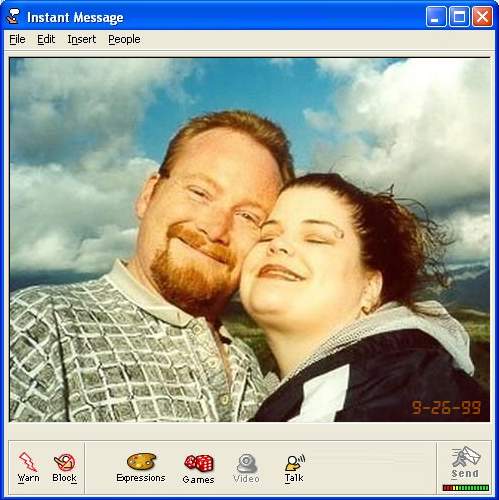
Unbucket: Tell us a little bit about how you and Kevin met.
Janice: We met via a mutual friend on America Online when that service was fairly…awesome. (Laughs) This was in 1999.
Kevin: 1998.
Janice: Oh yeah, technically ’98! The end of ’98. We were doing one of those email distribution lists together, just as a hobby project, and within a few months he instant messaged me. I still remember the date, January 14th, 1999 — it’s one of our annual anniversaries we still celebrate. He was kind of flirty and adorable and he just kind of started talking to me. We really haven’t stopped talking since.
Unbucket: Where were you living at the time?
Kevin: I was in Oklahoma City.
Janice: And I was in Puyallup, WA, about 45 minutes from where we are now.
Unbucket: How else did you use technology to stay connected while living apart?
Janice: AOL Instant Messenger was definitely primary for us. I had a cell phone, but it was really expensive to use. That was when plans weren’t nearly as cheap as they are now. I had to pay for every minute. Sometimes emails, but primarily Instant Messenger. I also had a group of friends that chatted online, so he would join us and we would just kind of hang in a private room.
Kevin: To keep things as cheap as we could, we would actually go buy stacks of phone cards that would give use three cents a minute rates or something insanely cheaper than the ten or twenty cents a minute rates we were getting from our phone providers. I worked at America Online at that time so I was online almost all the time between work and home.
Janice: I could pretty much contact him anytime. He worked a weird schedule, I worked a weird schedule, so we almost worked similar schedules even with two different time zones. We would talk on the phone and (laughs) fall asleep on the phone…yeah, it was pretty awesome.
Unbucket: How long did you stay in a long-distance relationship?
Janice: Until we were married we lived in separate cities. It was January of ’99 when we first started talking and we were married May of 2000. We became engaged in a couple months actually, it was very quick, and then we went through the proper “let’s wait a year” and try and go at this the traditional way even though it was a very untraditional relationship.
Unbucket: Do you wish you had available to you back then technology available to couples in long distance relationships today?
Janice: That’s a really great question. When we were living apart, he had to actually borrow a web cam once, so we didn’t really have a lot of that. The connections were really slow — we didn’t even have high speed internet when we first met.
Kevin: It would be a lot more convenient to do this now not to mention cheaper on the pocketbook. I make way more money now than I did back then, so the cost to us on the salaries that we had at that time was pretty high. Overall it was worthwhile of course!
Unbucket: Once you finally lived under the same roof, how did things change with respect to using technology to remain close?
Kevin: Well I work in IT and I did back then too. I had multiple computers, in fact, the computer she was using I had built. We had our computers set up in the same room and sometimes we’d still socialize with the friends that we had made online while sitting in the room together — we would sometimes even IM each other. We still will today! (Both laugh)
Janice: True.
Kevin: It wasn’t unusual that she would be out in the living room and I would be back in the bedroom — I might send her a text message now — back then I couldn’t have done that, but I did have a PC downstairs and two or three upstairs, so it worked that when she was home, she could get in touch with me even on a shift that ran me until 4 am our time. Eventually we got me a cell phone as well, so at that point we were only a ring away from each other.
Unbucket: Fast forward to today, how are you using technology to remain close?
Janice: Yeah, cell phones and messaging are still so very prevalent in our daily communication. We have our iPhones and iMessage is pretty awesome. We can be together on our phones or on our laptops — basically anywhere. When he has to go on a business trip we use Skype or MSN Messenger — so it’s still all very much a part of how we communicate.
Kevin: There are at least 30 computers in my home and even right now when I have a good chunk of them turned off and not running, I still have 15 computers that are on in here plus our mobile devices.
Janice: Uh, yeah… (Laughs)
Kevin: We both have an iPad so we stay in touch with email and iMessage there. With the roll out of Apple’s operating system Mountain Lion, the messages application became iMessage and it’s been tied into the whole iOS scheme, so whether I’m sitting in the living room on my MacBook Pro or she is, or if we’re out and about, we really can rotate between computers on the Apple side of things and stay fluidly in touch.
Unbucket: Sounds like an Apple household.
Kevin: I’ve got one main Windows machine that I use a lot, but it streams TV online more than anything else. We actually don’t have TV service so we use our technology to stream movies and TV shows that we watch together at night.
We’re really wired. I don’t think we ever actually unplug, we’re available 24/7.
Unbucket: From the very start of the relationship!
Janice: Part of the goodness that technology has brought to our relationship is that it really has provided this closeness. Communication is awesome — it’s the most communicative relationship I’ve ever had and I have to say that it’s primarily due to technology bringing us together from the start. For a long time we couldn’t have any type of physical connection — all we had was talking and communication.
Kevin: Since in our first year together we communicated through the IMs and over the phone more than anything else ever and so I think it really gave us a deep insight into who the other person was. I didn’t try to be anyone but me, and I know she was her because when I would come visit her in person to do wedding planning or for a getaway, it was with the same person I had been talking to every night.
Unbucket: Tell us about your engagement story; we understand technology was a part of it too.
Janice: I actually asked him to marry me on AOL instant Messenger! It was by accident, but it did occur (laughs). It was only a month after we really started talking on January 14th — this was February 21st — and you just kind of know who that person is that you want to be with for the rest of your life — your soulmate. I felt that connection so strongly in that moment and I just said, “Marry me!” and he said, “I will! I will!” I can still see the text in my head [laughs]. Then I was like, “Oh! Okay! Call me, let’s talk about this!” We immediately disconnected and got on the phone and decided, “Yeah, this is what we want to do.” This is before we even met in person!
We didn’t meet face to face until April 15th of 1999. We kept it on the down low for the most part; we wanted to make sure we had a physical connection and not just an emotional connection. I met him — I can still remember the gate, B6 at the Seattle airport — I saw him and I was nervous and we were just kind of awkward, but as we were walking to baggage, he pulled me aside and gave me the biggest most romantic movie kiss you can ever imagine. I was done; I knew for a fact this was going to be my husband.
Welcome to the latest post in our Closer series — a look at how technology brings couples, family, and close friends closer. Amber and David are a married couple in their twenties living together in London. Prior to getting married, Amber and David spent three years in a intercontinental long-distance relationship that started with a chance meeting on the dating site OkCupid in 2009.
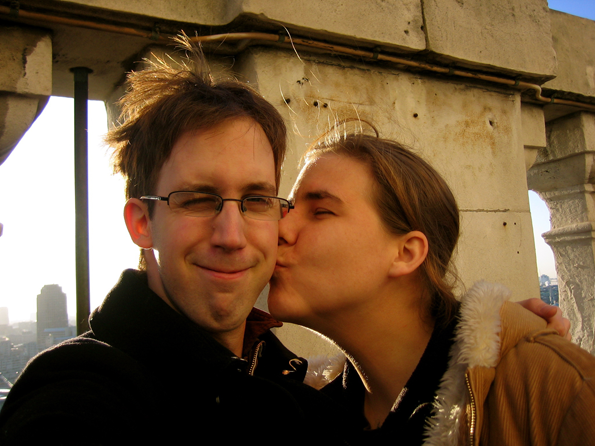
Unbucket: What technology brought you closer together while living apart?
Amber: Mostly Skype. I’d say we lived on Skype.
David: Pretty much.
Amber: It started off with emails, then Gmail chat and Skype chat, and then up to video. I think what’s really unique about what Skype allows people do to; because it is free, and because you have audio and a visual, you are able to occupy the same space while still going about your life. With a phone call, you are on the phone, you are engaged with the conversation, and you are actively talking to that person. But when you have someone on video chat, it’s as if they are in the room with you.
I think our longest call was over 24 hours. David would be doing his thing, I’d be doing my thing, and we wouldn’t necessarily be talking the same time, we’d just be occupying the same space.
Unbucket: Wow, that’s incredible.
Amber: I think something that David and I did together that makes us unique is that we actually slept together on Skype. We kept –
David: You need to phrase that carefully! (Both laugh)
Amber: We slept through the night together on Skype. I would leave a light on and he would leave a light on. Now, he went to bed five hours earlier than me because of the time difference, but I would just leave my computer running, go do my evening activities, come home, and he would be asleep on my computer. I would put my computer next to my bed and I would see him sleeping, and he would sleep next to me on my computer. When he would wake up in the morning and look at his computer, I would be asleep next to him.
David: It’s just kind of the way it worked out, we were in the habit of it.
Amber: Skype gives an illusion of closeness when the physical closeness isn’t there. But the emotional closeness, the visual closeness, and just the sharing of experiences, it’s all right there.
We also did other things together using technology. There’s things couples do together in person, like going to see movies or going to the park and stuff that you can miss out on in a long distance relationship, but we managed to do some of those things together using technology.
Unbucket: For instance?
David: We would both get the same movie and hit play at the same time with headphones on. It gets a little tricky –
Amber: It helps to have two screens.
David: Yeah, you can see the person while you watch, talk about the movie, and kind of experience it together.
Amber: We also would play games. We played the game Nutsy Bolts, which is essentially Apples to Apples. We played other board game things together like cooperative games. The biggest one we did was playing World of Warcraft together. I’d been playing World of Warcraft for years and got David into it so we could interact together in the game setting.
Yes, we were on a computer, but we were doing all kinds of different activities, lots of which are the same activities that couple who are together in the same physical location do. Couples play video games together at home, couples watch movies together at home — and we would do the same things, we would just do them with Skype.

Unbucket: Any limitations to the systems and habits you developed?
Amber: He did struggle at first to eat on Skype.
David: True.
Amber: He felt he would make a mess of himself in front of the camera so we would also turn the camera off when he would eat. He’d usually be eating dinner around the time when I was eating lunch, so eventually on occasion we would actually eat together.
Unbucket: Were there any other forms of communication you explored to remain close?
David: I’ll tell you what else, actually. Shortly after I met Amber and we decided to have a romantic relationship, I went out and bought a smart phone for the first time. I’d had an old-fashioned phone before, and I went out and got one that would do email and do Skype so that I could send Amber an email in the morning when I was on the train. With the smart phone I could stay in contact with her when I wasn’t at home with my laptop.
Amber: Skype also allows you to make phone calls long distance between countries for much cheaper than a cell phone company does.
Unbucket: So even with a smart phone, it all comes down to Skype.
Amber: My poor computer is almost dead now because it ran Skype for three years without stopping. I don’t think we could have done this without Skype.
David: We wouldn’t be here now without Skype or some other type of video connect.
Unbucket: How have things changed now that you’re living under the same roof?
Amber: He is much less pixilated now. (Both laugh) I don’t play WoW (World of Warcraft) anymore. I don’t play the other online games anymore.
David: But that’s mostly because you don’t have a computer with your own individual space.
Amber: Shut up! (Laughs) I want points for not playing WoW anymore. Sometimes we’ll look at each other and we’ll be like, “We need to go out and do something in the world.” We’ve spent so much time on the computer together that we feel the need to make up for that lost time by going and doing real world activities. We still spend time on our computers together. He’ll be on his computer doing his thing, playing a game, and I’ll be on my computer doing Facebook.
David: It definitely makes that kind of thing easier. It is easier to be doing different things and then still be physically together or just in each other’s presence.
Amber: We still use in technology in our relationship. While we don’t actually have a television, you can probably see our DVD collection behind me. We’ll have a show that we’re watching, like Dr. Who or Deep Space Nine, and we’ll watch an episode together on the computer while we’re eating dinner.
David: On that note, being together does broaden our choice of media. The problem we always had when we were apart was finding movies that we both had access too. Even on the download sites — you can get Netflix in the UK now — the selection is much smaller than in America.
Amber: And what’s available in the UK isn’t available there.
David: I actually found a lot of them time I could actually buy old DVDs cheaper than I could rent them or download them. We get them imported cheap from Europe in this country.
Unbucket: Any other changes?
Amber: Oh! I text him a lot more now.
David: True, true.
Amber: I never texted him before because I couldn’t text him without it costing money on Skype. I would just email him instead. We now text more and email less.
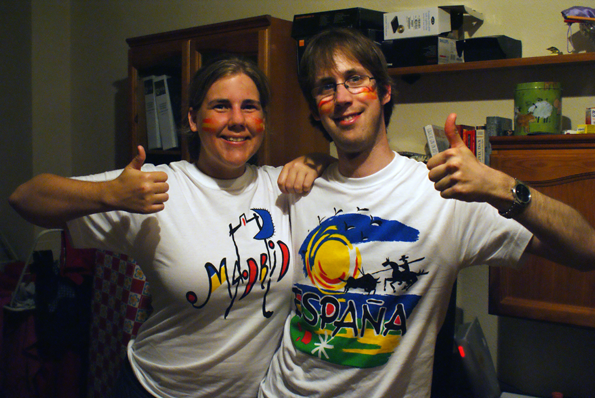
Unbucket: How do you think others perceived your somewhat non-traditional relationship over the three years you lived apart?
Amber: A lot of people, especially older people not as familiar with technology, are very skeptical of how real a relationship can be when you haven’t spent time together. I know my grandparents, and I think David’s parents, and even my parents expressed concerns like, “I can’t believe you guys are getting married when you haven’t even lived in the same country together. That’s crazy!” or, “You haven’t really spent enough time together…” – I think that’s folly because we spent an enormous amount of time together before getting married, we just didn’t spend most physically in each other’s presence. I actually think it is a benefit to our relationship because we had to talk so much. That was all we had, all we had was our communication and sharing our worlds with each other by talking and listening.
David: Both of us are sharing people. We like to share the experiences we have in our lives and the details of our daily experiences which I think helps as well.
Amber: Yeah, I think if you can survive through something like three years of an experience with someone else where you have a five hour time difference, cultural differences, monetary concerns like, “When am I going to be able to afford the next airplane ticket?” – if you can get through all of that, then the actual being together part is super easy.
David: True.
Amber: When it comes down to it, I don’t think our relationship has ever been stronger. I don’t think either of us have ever regretted the time we that we put into the long-distance relationship, and I don’t think either of us have doubted in our minds this is a lifelong, committed, healthy relationship.
We’ve been hard at work laying the groundwork for something we envision will be transformative over time for how we all interact with Unbucket: The ability to start new lists from existing lists and the ability to add items from one list to another. In other words, you can now clone lists and list items!
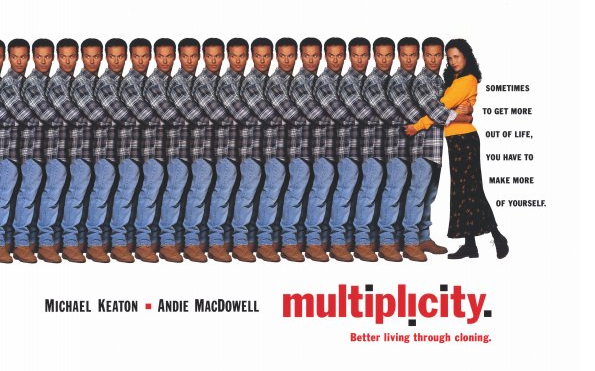
There are a couple scenarios today where this “Copy & Add” feature can be put to use:
- You see a list that you’d love to start for yourself, like “Restaurants to try in Chi” created by Josh Lanzet. All you have to do is click “Copy List” and you’re steps away from making the list yourself. Want to call the list something else, like, “Windy City Gastronomy”? No problem. One you’ve copied the list you can add to it, change details, and invite anyone else to join you.
- You’re looking at someone else’s list and see a list item you’d love to add to a list you already maintain. Just click the “Add This” button and choose a list. It’s that simple. Want to start an entirely new list from the item instead? We let you do that too. We can totally see the list item “See Armin van Buuren or Above and Beyond in Ibiza!” inspiring an entirely new list dedicated to musical experiences.
- Do you vacation in the same area every year? You can now copy your own lists. With one click Summer 2012 can become Summer 2013. You can also now add your list items from one list to another with ease.
This is only the beginning of what the “Copy & Add” experience will power. Next up we’ll be rolling out editorially curated lists for you to make your own. In the future, envision buttons — both physical and digital — that exist outside of Unbucket for one-touch adding items to your list.
Enjoy and let us know what you think!
The classic paradox of college life is this: At your fingertips are more events per month, per square mile than perhaps you’ll ever experience again in your life. And that’s just what’s available to you on campus. The problem is, you’re also constantly stressed out and convinced you have no time for anything but studying. The true irony of this paradox comes when you realize that for as much time as you end up studying, your greatest memories from college are never formed in the library.
That’s why lately we’ve been sharing Unbucket with different colleges communities. We believe every student should keep a “Before Graduation” list: A list of all the things you want to do before graduation with your of closest friends. No student should step off the commencement stage sighing, “I wish I had done…”
The idea is starting to spread.
Over the past couple months we’ve been getting great coverage in college newspapers and we wanted to share a couple of our favorites here:
Boise State University: What do you want to do before graduation?
Washington State University: Unbucket Now Available to WSU Students
San Diego State University: Unbucket helps plan adventures with friends
University of Utah: Unbucket app links users’ experiences to life goals
University of Florida: ‘Bucket lists’ trending among college students, online
Michigan State University: Bucket list website connects users
Texas A&M: Web app, help students share lists and experiences
For fun, we asked one of our co-founders, Elliot Darvick, to share a couple items off his own “Before Graduation” list from his days at Wash. U. in St. Louis.
Item #7: Go to at least 20 concerts on campus
I wish this number had been more like 50. I definitely saw more than 20 show thoughs, including an awesome Ben Folds concert (I made a website for the promoters to get backstage passes #alwayshustlin)

Item #19: Go camping in the Missouri countryside
The Missouri state park system was full of amazing parks and Wash. U. had a great camping gear rental program. I went numerous times with my friend Seth (seen below conducting sunset).
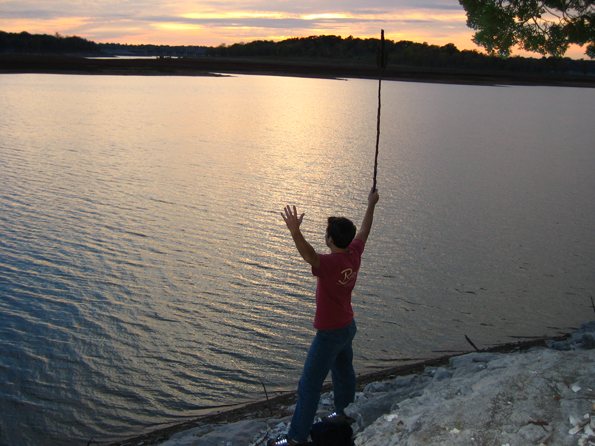
Item #42: Watch a game at the new Busch Stadium
My last year at school the St. Louis Cardinals opened up a new stadium and I was determined to see at least one game there. In case you were wondering, yes, everyone wears red.

What is/was on your Before Graduation list? Let us know in the comments!
Welcome to the latest post in our Closer series — a look at how technology brings couples, family, and close friends closer. Laura and Helene are partners living in Westchester County, NY. Laura is an energy healer, couples counselor and yoga teacher, and Helene works for NBC in their news broadcast division. They both love BMW motorcycles and met through their motorcycle club, Sirens MC NYC.
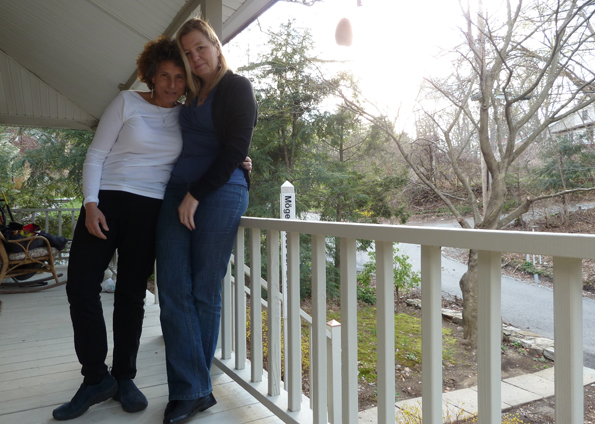
Unbucket: How does technology bring you closer?
Laura: We do a lot of texting, which probably most people do these days. I think what’s nice about it for us is that Helene, you know with all her traveling and being in situations where she can’t pick up the phone or sit at a computer, she can text me in the middle of a busy day or on a shoot when she has a free minute. I feel like I can share more in her experiences through texting. I think that brings us closer.
Helene: Yeah, like when I tell you we’re doing an interview and like, “Oh Mick Jagger is talking now!” — you can get the real time vibe of that. That’s always kind of fun. I had to do a name drop, I’m sorry! [Laughs]
Laura: So modest Helene. [Both laugh]
Helene: No seriously, a lot of times we’re doing an interview and I can’t talk to Laura, but I’m just listening on headphones so I can absolutely text her. It’s great, it’s really great.
Laura: Helene doesn’t use very much technology. [Laughs] She doesn’t do the social media thing, I mean she’ll send me photos from everywhere, that’s another thing she does, but she’ll do that in a text or in an email.
Helene: I’m not on Facebook or anything like that. Laura is, mostly for business, but I haven’t created a Facebook account or LinkedIn profile, or any of that. I just don’t want to get sucked into the computer that way. [Laughs] I feel like I’m pretty much in touch with everyone I want to be.
Laura: I’m on Facebook, I’m not doing it every day, just really for some of the business postings and things like that.
Helene: For both of us, when it comes to technology, it’s mostly using our iPhones, texting, sending each other pictures and emailing — that kind of thing more than anything else.
Unbucket: Riding motorcycles is an integral part of your relationship. How has technology enhanced the way this shared passion brings you together?
Helene: I like to use GPS. One of the things we do with GPS is download routes from friends. I think motorcyclists are people who use GPS for something other than just putting in an address. We use GPS much more extensively to map out routes and do file exchanges. I’ll load maps on Laura’s bike and we’ll both have the same route. That’s kind of fun, right?
Laura: Yeah, it definitely does make it fun. Sometimes we’ll be wherever, like Vermont, and we’ll do all these avoidances after entering our home address, meaning we’ll say, “Don’t go on highways”, “Don’t make U-turns”, “Don’t do this, “Don’t do that.” Sometimes we’ll both put these avoidances into our separate GPS units and they will come up with two different routes! Then it gets really funny because we’ll be riding and Helene will say over our intercoms, “Well mine says turn here!” and I’ll say, “Well mine is saying not to turn here but to go 2.8 miles and turn there!” And so we do this debate over which one we’re going to take [both laugh] and it becomes quite comical. Very entertaining for us.
Helene: The other piece of technology we have are “comms” in our helmets, these German-made communication systems for our helmets that we use to talk to each other. That’s a technology that has been unbelievably fantastic, because even though we’re on separate bikes, we can say, “Did you see that?” or, “Oh, did you see that house?” That has made riding together feel really close, because before, it was like we were each in our own little independent worlds, which we still are, but now in a moment’s notice we’re back together again. Don’t you think so?
Laura: Oh definitely. To me, what’s the point of going on these trips together if we can’t have any communication until we get off the bikes? It makes such a difference. We can really share the experience a lot more intimately because we can communicate in the moment.
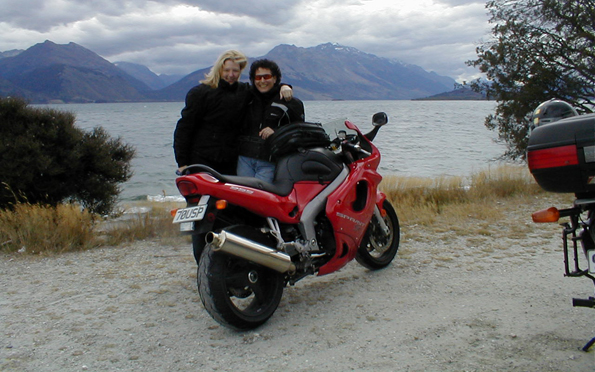
Traveling abroad means leaving the Beemers at home.
Unbucket: You both experienced Hurricane Sandy first hand. How was your ability to communicate affected?
Helene: There were times during Hurricane Sandy when I couldn’t get a call out, but I could text, so that was pretty cool. I was doing stories in horrible places and sometimes I couldn’t even reach Laura to let her know I was okay.
Laura: That was important. Texting was really like a lifeline during that experience. If you couldn’t text, if you weren’t able to text, you were out of connection with everyone. We were completely isolated here. Trees were down in every direction. The only way to talk to people was through texting. Even though it was delayed, it still got to people and they could get back to me.
Unbucket: As a society, do you think technology is bringing us closer or driving us apart?
Laura: I think for or people that are already living a more isolated life, the technology allows them to stay that way. But if a person is already relatively connected socially, it probably enhances their ability to connect because it puts people back in touch with people from high school that they might have lost touch or people from college — really people you would have normally never been in touch with that you can now be in touch with because of social media.
Helene: I think there are pieces of me that see a certain amount of superficiality in social media sites. I mean really, friending, people coming out of the woodwork that you have no real association with commenting on things…but I think at the same time, as Laura says, for some people who tend to be isolated or just alienated, it’s a way to be able to communicate despite the fact that you’re not social or you’re just shy — I think that’s really fantastic.
Laura: For some people it can be more difficult to maintain an intimate connection face-to-face. They may not be as comfortable going to parties or group gatherings and for them social media technology makes them feel very connected to the people they care about. It’s a very important part of their lives.
Helene: Like everything else, in moderation technology is fine. You can’t stop technology, you’re not going to, and who wants to? When you overdo it though and you can’t stop texting and you’re always on your device — you can lose that face-to-face kind of thing in an unfortunate way. It’s just like everything else; in excess, is it good? No. Is it something that’s wonderful? Yes, technology really is.
—
Check out the other Closer interviews we’ve done!
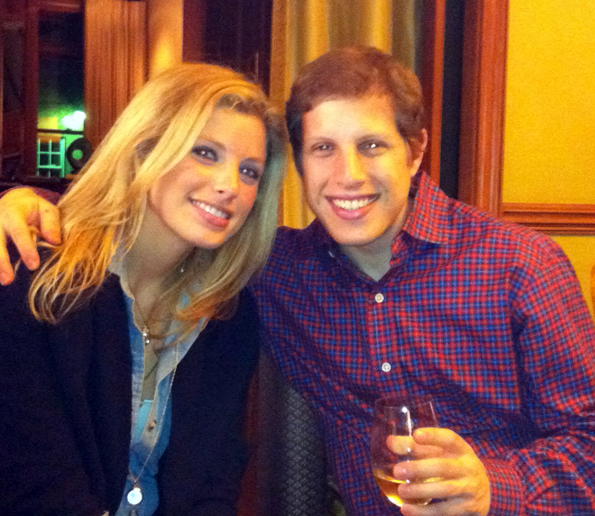
Welcome to the latest post in our Closer series — a look at how technology brings couples, family, and close friends closer. David and Sarah are siblings that grew up together in New York City, went to the same university, and now live on opposite sides of the country (David in San Francisco and Sarah in NYC). They are three years apart and both still in their twenties.
Unbucket: How does technology bring you closer?
Sarah: I think technology brings us closer both just through talking on the phone all the time and catching up on the phone — and also on Facebook. Even if we don’t talk every week, there are pictures posted and people writing on our walls. It’s an easy way to know what going on even if we’re not speaking.
David: I would say you’re very good, Sarah, about that “quick keep in touch” – like you sent me an email yesterday of a funny video. I clicked on it and laughed and sent you a text this morning. We do sort of the quick, email or text message in between visits which keeps us close. Sometimes we’ll have a good forty minute phone call, and of course whenever we see each we have a great time and really bond. There is definitely no replacement for the older forms of technology like phone calls and seeing each other in person.
Sarah: Yeah, that’s true. But with what David was saying, my sending you a video the other night, a YouTube video that made me think of Dave — stuff like that is a form of technology that isn’t necessarily about communication but it made me think of him, which in its own way, does bring us closer.
Unbucket: Do you think the technology you have available to you today would have changed the way you related to each other when you were growing up together?
Sarah: Maybe it would have brought us even closer? We kind of hung out in different crowds in high school and did different things, but we didn’t have cell phones –
David: That’s so polite! That’s the nicest way of saying you were so cool and I was absolute dork! [Laughs]
Sarah: Shut up! [Laughs too] I wasn’t that cool. Anyway, I feel like if we had cell phones at the time and were able to text each other, maybe we would have seen each other more in a social atmosphere rather than just at home, although I don’t know if that’s true. What do you think Dave?
David: Thinking back though to when we were growing up, it actually worked to our advantage that technology wasn’t so pervasive. We had all that time to hit each other in the car on the way up to Connecticut [both laugh]. It was part of our developing a sibling relationship. I actually think it was kind of an equalizer that we were both in the same car with family. If you had Facebook and I had Facebook, you’d have all these friends to talk to and I’d be, I don’t know…on some science thing! [Both laugh again]
Sarah: I guess it’s hard kind of to answer the questions because growing up we were so face-to-face. We had a relationship where we saw each other every day, so I don’t know that we would have used technology, like to text or call, because we saw each other every day no matter what. We kind of took that for granted. Now we really need technology to stay in touch to know what’s going on in each other’s lives because we don’t see each other all the time.
Unbucket: In the past five years, have you ever sent each other a letter?
Sarah: Like a hand-written letter? Aside from a birthday card, um…
David: Yeah, I would say probably not.
Unbucket: As a society, do you think technology is bringing us closer or driving us apart?
Sarah: I think as a whole it brings us closer. I mean it’s really easy to stay in touch with people and to get support for things. I’m thinking about after Hurricane Sandy when so many people relied on reaching out to each other for places to stay and showers. I even have a friend doing a community service charity event to raise money for victims in his neighborhood – he’s from New Jersey and people were hit really hard there. All of that is going on via Facebook, Eventbrite and Evite. In that sense, technology does bring everyone closer. It’s really easy to rally people together because now there are all these accessible vehicles to do so.
David: I was initially not sure what I was going to answer, but I think I agree with you Sarah. I think overall, technology does bring us closer together. For keeping in touch with people from your past where you can now see the goings on in their lives, technology is really incredible. These are people that you knew from a face-to-face relationship, for instance, from college, and they may not be people you call all the time, but you can Gchat them or even see pictures of them on Facebook. All this just makes me feel closer to people — but only when I’ve had a relationship independent of technology beforehand; I feel like that’s when technology is best at bringing people closer together. People that you meet primarily through technology and without meeting face-to-face, I feel like in those situations it’s really tough to get closer and feel social cohesion, except as you were saying Sarah, the times when technology unites us together around a singular cause.
“A mobile app would significantly improve my daily usage of Unbucket.” – Everyone
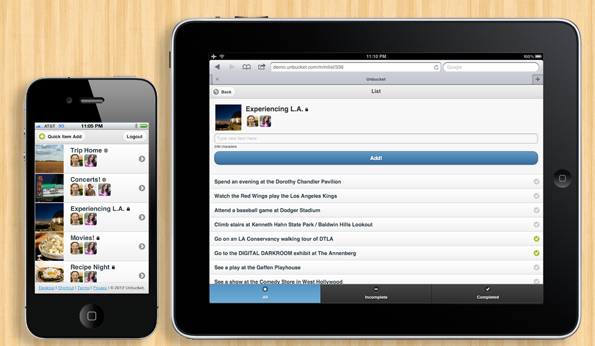
We’re super excited to share that Unbucket is now available on your mobile device. We knew from the very start that a mobile app was crucial to the Unbucket experience; we just wanted to understand what our community desired in a mobile app before we began building it. As always, your feedback was instrumental to the process.
Just visit Unbucket.com from your mobile device and log in.
It’s that simple.
If your mobile device has a browser, your mobile device has Unbucket – no need to wait for a version built for [insert operating system here]. This was one of the biggest reasons we chose to start off with a browser-based HTML5 app vs. a native app (which is still on our near-term product roadmap!)
Now you can:
- Reference your lists – Wake up on Saturday and pick an item off your “It’s The Freakin Weekend in a Robert Kelley Voice” list before you even get out of bed. No need to walk across the apartment to your computer.
- Add items to your lists – How many times have you walked past that giant billboard of Daniel Day-Lewis as Abe Lincoln and said, “Looks like an epic movie, we should add it to our list.” Now you can, right from your phone.
- Complete and add notes to your list items – Did you just finish eating a meal at a restaurant you’ve been waiting all year to check off on a list? Complete it and add notes capturing what everyone ate and what you should order next time (definitely the Hazelnut Banana Meringue Dome)
We’ve even created easy instructions for adding an Unbucket icon to your home screen:

Let us know what you think in the comments below. This is only the beginning of Unbucket mobile and we’d love your help in shaping what comes next.
Happy (on-the-go) Unbucketing!
One of the most rewarding parts of building Unbucket is the tremendous amount of feedback we get from users. Some of the most insightful feedback comes from asking a very simple question:
“What about Unbucket appeals to you?”
No, we’re not fishing for compliments by asking this question; rather, it’s our attempt to grasp the needs people bring with them to Unbucket. The aggregate of these responses give us a rich portrait of the lives our users want to live.
Your needs are ultimately what motivate us most.
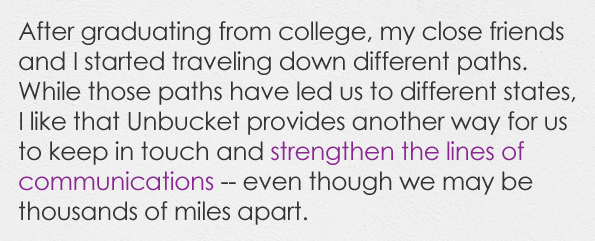
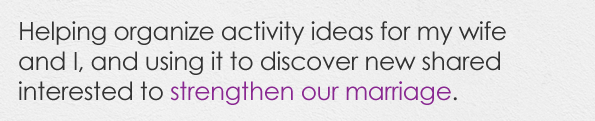
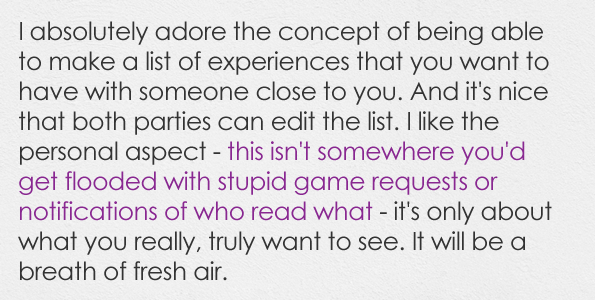
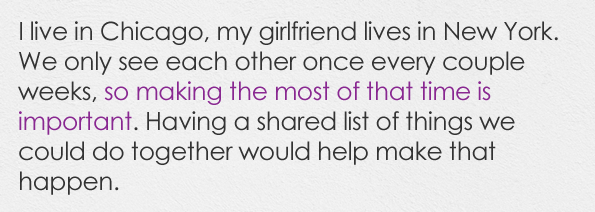
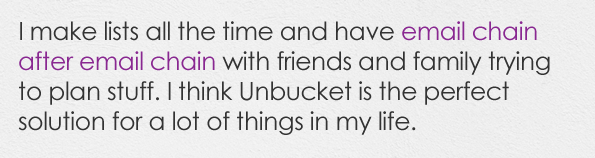
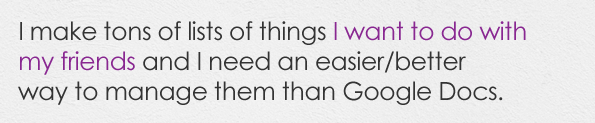
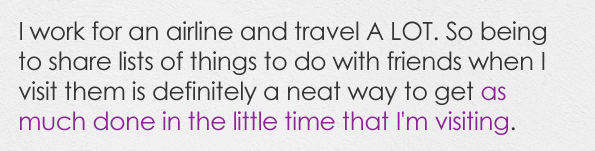
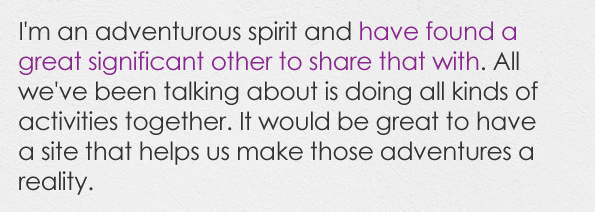
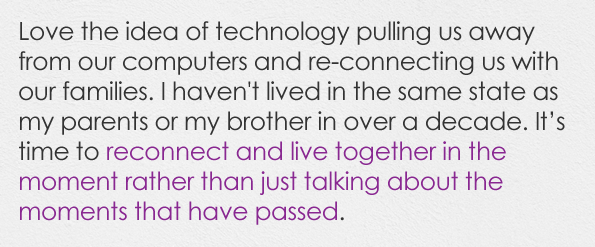
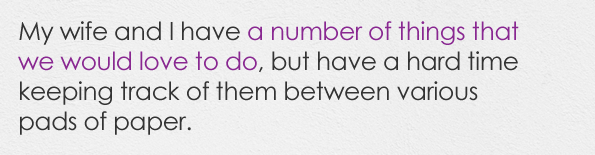
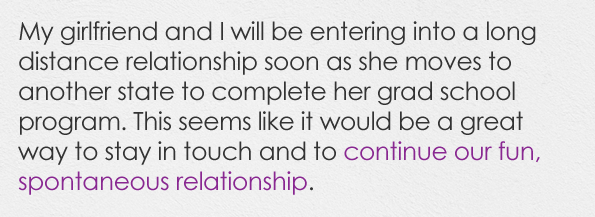
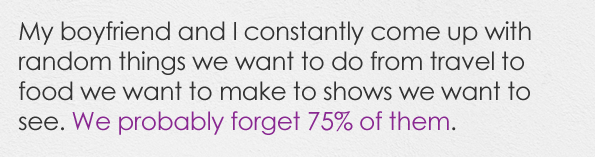
We thought it would be fun to share with you some of the responses we’ve gotten to this question. Nestled in each answer are the themes that shape everything we do.